1) Inbound Marketing
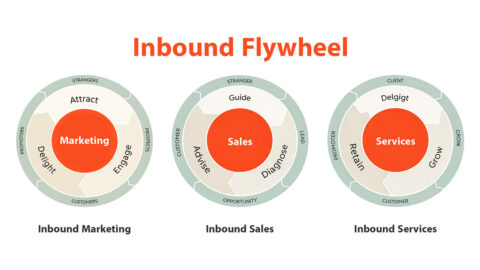
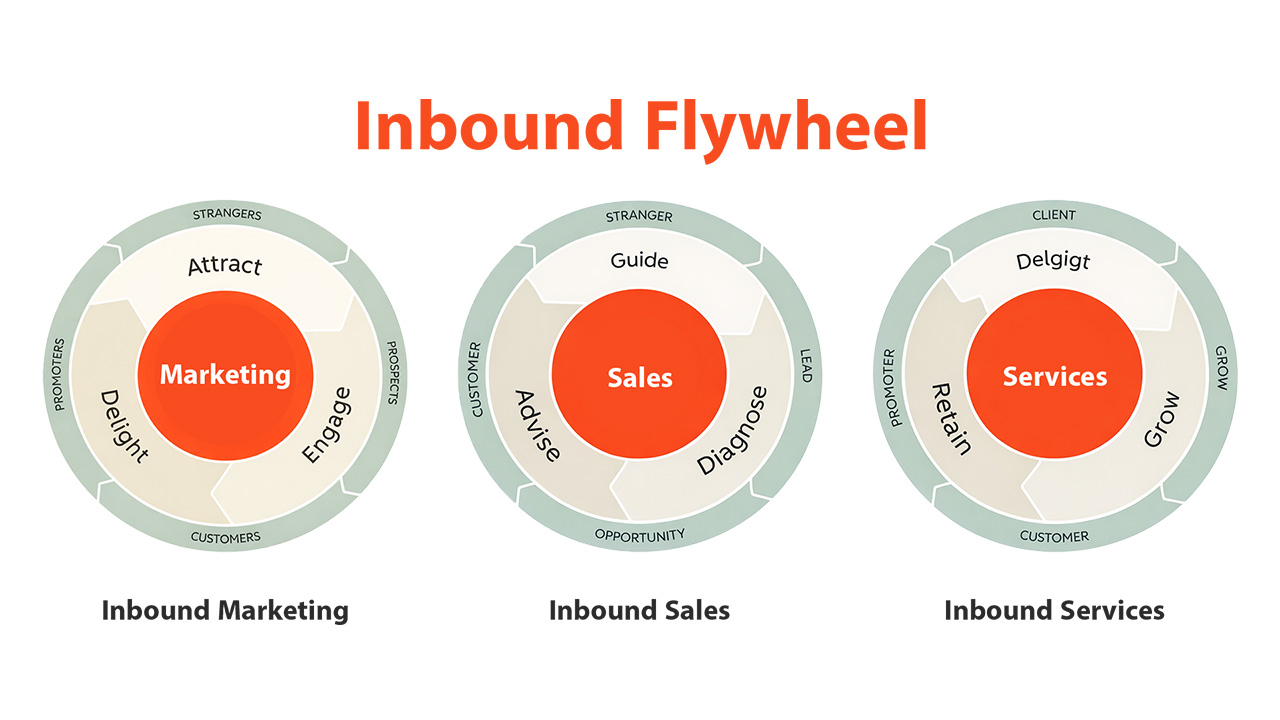
Focus: Attract → Engage →Delight (not interrupt)
Inbound marketing is a customer-centric marketing methodology. Instead of interrupting audiences with ads and promotions:
Key Principles
- Audience-first strategy: Understand user intent, needs, and search behavior
- Value-driven content: Create useful, educational, and relevant content
- Permission-based marketing: Earn attention instead of buying it
- Multi-channel consistency: Deliver a unified experience across platforms
Typical Stages
- Attract (bring the right audience through valuable content and SEO)
- Engage (capture interest using lead magnets, forms, and email)
- Delight (turn visitors into leads or customers with optimized journeys)
Tools Often Used
- CMS platforms (like WordPress)
- SEO tools (like Ahrefs, SEMrush)
- Marketing automation tools (like HubSpot)
- Email marketing and analytics tools
2) Inbound Sales
Focus: Guide → Diagnose → Advise (not push)
Inbound sales are a buyer-centric sales methodology. Instead of cold calling and aggressive pitching:
Key Principles
- Context-aware selling: Use data from marketing (behavior, pages visited, downloads)
- Personalized outreach: Tailored emails, not generic scripts
- Consultative approach: Act as an advisor, not a closer
Typical Stages
- Identify (prioritized leads based on intent signals)
- Connect (personalized outreach)
- Explore (deep discovery of needs/problems)
- Advise (recommend tailored solution)
Tools Often Used
- CRM systems (like HubSpot CRM)
- Lead scoring, automation, analytics
3) Inbound Service (Customer Success / Support)
Focus: Delight → Retain → Grow
This is where many businesses underinvest—but it’s critical.
Key Principles
- Proactive support (not just reactive)
- Self-service resources (knowledge bases, FAQs)
- Customer empowerment
Core Components
- Onboarding experiences
- Customer support (chat, ticketing)
- Feedback loops (surveys, NPS)
- Upselling/cross-selling based on real value
Outcome
- Higher retention
- Stronger brand loyalty
- Turning customers into promoters (word-of-mouth growth)
How They Work Together (Flywheel Model)
Instead of a linear funnel, inbound operates as a flywheel:
- Marketing attracts the right people
- Sales convert them with trust
- Service retains and amplifies growth
This creates a self-reinforcing growth loop.
posted by Emad Zedan on 08 Jun 2026 in Uncategorized