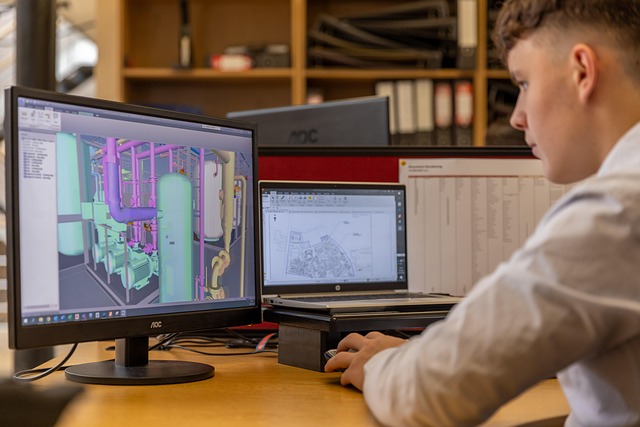
Unlocking Success: Effective Strategies for Design Collaboration in Teams
In today’s fast-paced digital landscape, teams are increasingly reliant on design collaboration to enhance creativity, streamline workflows, and deliver exceptional user experiences. Whether you’re working on a product launch, marketing campaign, or software development, effective collaboration can be the key to unlocking success. In this article, we will explore the top strategies to foster collaboration among design teams, ensuring that every project is executed with precision and innovation.
Understanding the Importance of Design Collaboration
Design collaboration is more than just teamwork; it’s about synergizing the unique strengths of each team member to produce a cohesive and effective design outcome. When teams collaborate effectively, they leverage diverse perspectives, leading to innovative solutions that might not have surfaced in isolation. Here’s why effective design collaboration is critical:
- Increased creativity: Different viewpoints can lead to unique ideas and insights, fostering creativity.
- Improved efficiency: Collaborative tools and shared responsibilities can streamline the design process.
- Enhanced accountability: When team members contribute, they are more likely to take ownership of the project outcome.
- Greater alignment: Collaboration ensures that everyone is on the same page, reducing the risk of miscommunication.
Strategies for Effective Design Collaboration
1. Foster an Open Communication Culture
Establishing an open line of communication is crucial for design collaboration. Encourage team members to share their thoughts, ask questions, and provide feedback without hesitation. You can facilitate this by:
- Conducting regular check-ins and brainstorming sessions.
- Utilizing communication tools like Slack or Microsoft Teams to keep conversations flowing.
- Creating a safe space for constructive criticism to thrive.
2. Implement Collaborative Design Tools
Utilizing collaborative design tools can significantly improve the efficiency of the design process. Tools like Figma, Sketch, and InVision allow multiple team members to work on a single project simultaneously, offering real-time updates and feedback. Here’s how to make the most of them:
- Choose tools that fit your team’s needs and workflow.
- Provide training sessions to ensure everyone is proficient in using these tools.
- Encourage the use of version control to track changes and maintain a clear design history.
3. Set Clear Goals and Objectives
For a collaborative design process to be successful, it’s essential to have clear goals and objectives. This ensures that everyone is aligned and working towards the same end result. Follow these guidelines:
- Define the project scope and deliverables at the start.
- Set specific, measurable, achievable, relevant, and time-bound (SMART) goals.
- Regularly revisit these goals throughout the project to ensure the team stays on track.
4. Encourage Cross-Discipline Collaboration
Design doesn’t exist in a vacuum, and collaborating with team members from different disciplines can enhance the outcome. By incorporating perspectives from marketing, development, and user experience, you can create a well-rounded design. Here’s how to promote cross-discipline collaboration:
- Schedule joint workshops or brainstorming sessions involving multiple departments.
- Encourage regular interaction between designers and other stakeholders.
- Highlight the importance of diverse input in achieving the best design solutions.
5. Embrace Agile Methodologies
Adopting agile methodologies can improve design collaboration by promoting flexibility and adaptability. In an agile environment, iterative design processes allow teams to make continual improvements based on feedback. To implement agile practices, consider:
- Breaking projects into smaller, manageable sprints.
- Holding daily stand-up meetings to assess progress and address challenges.
- Conducting sprint reviews to showcase completed work and gather feedback.
Creating a Collaborative Environment
6. Invest in Team-building Activities
Building rapport among team members is essential for effective collaboration. Investing in team-building activities can help foster a sense of community and trust. Consider these types of activities:
- Workshops to improve design skills and knowledge.
- Social events or retreats to build personal connections.
- Fun team challenges focused on design-related tasks.
7. Celebrate and Share Successes
Recognizing and celebrating team successes can boost morale and promote a collaborative mindset. When individuals feel valued for their contributions, they are more likely to collaborate enthusiastically. Follow these practices:
- Highlight individual contributions during team meetings.
- Share project outcomes and successes across the organization.
- Implement a rewards system for collaborative efforts and achievements.
8. Iterate and Improve
Finally, it’s important to recognize that collaboration is an ongoing process. Continuously seek feedback and iterate on your collaboration strategies to make improvements. Make it a practice to:
- Conduct regular retrospectives to reflect on what worked and what didn’t.
- Encourage team members to share their thoughts on collaboration dynamics.
- Be open to trying new tools and practices that can enhance teamwork.
Conclusion
Effective design collaboration in teams is crucial for unlocking success in today’s competitive landscape. By fostering a culture of open communication, employing collaborative tools, and setting clear goals, teams can overcome challenges and innovate together. Embrace diverse perspectives, adopt agile methodologies, and invest in team-building initiatives to create an environment where collaboration thrives. Remember: a successful design process isn’t just about the end product but the journey taken together as a team.
With these strategies in place, you’re well-equipped to enhance collaboration, drive creativity, and achieve exceptional results in your design projects. Implement these strategies today, and watch your team unlock new levels of success!
posted by Emad Zedan on 22 Jan 2026 in Uncategorized